KEY INFORMATION AND REGULATIONS
Understanding E-Bike Regulations in Canada
Navigating e-bike laws can be complex, as they vary by jurisdiction. Below, we outline current federal standards and provincial/territorial rules based on the latest available information as of January 2026.
These regulations ensure e-bikes are treated as bicycles rather than motor vehicles, provided they meet specific criteria.
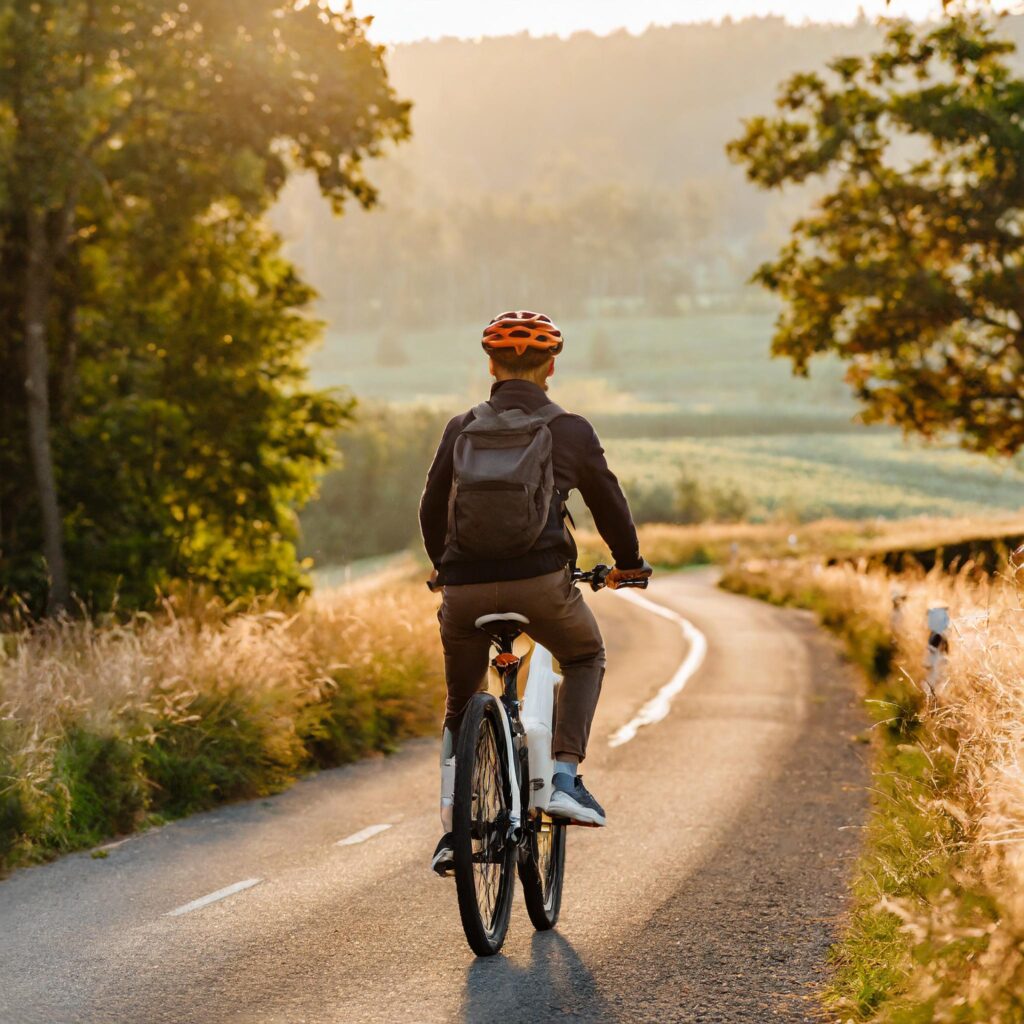
Federal Regulations (Transport Canada):
• Power Output: Maximum 500 watts.
• Speed Limit: Cannot exceed 32 km/h on motor power alone on level ground.
• Design Requirements: Must have fully operable pedals; motor must assist pedalling (pedal-assist or throttle in some cases, but disengages when pedalling stops or brakes are applied).
• Age Requirements: No federal minimum; varies by province.
• Helmet Laws: Recommended but not mandated federally; provincial rules apply.
• Licensing and Insurance: None required if compliant; no registration or plates needed.
• Usage: Allowed where traditional bicycles are permitted, subject to local restrictions. Modifications exceeding limits reclassify as motorcycles.
Provincial Regulations:
Where We Can Make a Difference
The E-Bike Alliance identifies key gaps in current regulations to advocate for progressive changes. By harmonizing laws and expanding access, we can boost e-bike adoption nationwide.
Harmonize Age Limits: Varying minimum ages (12-16) create confusion. Advocate for a federal standard of 14+ to simplify compliance and encourage youth participation.
Standardize Helmet and Safety Requirements: Push for consistent bicycle helmet standards across provinces, reducing barriers while maintaining safety.
Expand Power and Speed Limits: In provinces like Alberta and BC, explore safe increases to 750W for hilly terrains, aligning with some U.S. models without compromising bicycle classification.
Remove Minor Licensing Barriers: In Quebec, advocate to eliminate Class 6D requirements for under-18 riders to promote family e-biking.
Incentives and Subsidies: Lobby for federal rebates (currently absent) and expand provincial programs like BC's to all jurisdictions, making e-bikes affordable.
Infrastructure Improvements: Campaign for dedicated e-bike lanes, charging stations, and trail access in parks (e.g., allowing Class 1 in Gatineau Park).
Municipal Partnerships: Work with cities to lift local bans on e-bikes in certain areas and integrate into public transit.
Join our advocacy efforts—sign petitions, attend hearings, or volunteer.
PRIVACY POLICY
Your privacy matters—we never share your info. For the EBIKEALLIANCE Privacy Policy click the following button.
Key Facts about the E-Bike Sector
7 key facts and figures about e-bikes and e-bike riders in Canada:
- The Canadian e-bikes market generated approximately USD 1,118.7 million in revenue in 2024 and is projected to reach USD 2,140.7 million by 2030, growing at a CAGR of about 11% from 2025 onward.
- Alternative market forecasts place the Canadian e-bike revenue at around USD 416 million in 2025, expected to grow at a CAGR of 8.84% to reach approximately USD 584 million by 2029.
- In 2022, around 70,000 e-bikes were sold in Canada, with the market valued at roughly CAD 240 million; projections suggest continued expansion, with some dealer forecasts indicating a potential 22% sales increase in 2025 amid recovering consumer confidence.
- Pedal-assisted e-bikes dominate, accounting for about 58–59% of revenue share in recent years (e.g., 2022 data), due to their appeal for hilly terrain, commuting, and regulatory fit under federal rules.
- Trekking/recreational applications lead usage, representing around 52–53% of revenue share (2022 figures), driven by Canada’s outdoor culture, trails, and preferences for mountain/trekking models; city/urban commuting follows closely, with growing cargo/utility adoption.
- Lithium-ion batteries hold the largest segment, with over 76–83% market share in recent data, thanks to benefits like high energy density, lighter weight, and better cold-weather performance suited to Canadian climates.
- E-bike adoption appeals broadly but often includes older demographics for mobility and independence (e.g., seniors using them to maintain activity); surveys show growing use in urban areas for commuting and errands, with shared systems like Toronto’s Bike Share reporting 17.4% of trips on e-bikes in mid-2024.
Reasons to Buy and Ride an E- Bike
7 great reasons to buy and ride an e-bike in Canada (especially relevant in 2026, with improving battery tech, more models suited to Canadian conditions, and ongoing urban/transportation shifts):
- Massive cost savings on transportation. E-bikes slash your commuting and errand costs compared to driving. No gas, minimal electricity charging (pennies per ride), no insurance or parking fees in most cases, and far lower maintenance than a car. Many owners report an e-bike paying for itself in 1–2 years through avoided fuel and vehicle expenses—especially valuable with Canada’s high fuel prices.
- Beat traffic and parking hassles in cities
Canadian cities like Toronto, Vancouver, Montreal, and Calgary face heavy congestion. An e-bike lets you zip through gridlock, use bike lanes, and often park for free (or right at your destination). It’s a smarter, faster alternative for short-to-medium distances (10–30 km), even in peak hours. - Eco-friendly and low-emission travel. E-bikes produce zero tailpipe emissions and use very little electricity compared to any motorized vehicle. They’re a practical way to reduce your carbon footprint in a country pushing toward greener transportation—perfect if you care about cleaner air in urban areas or want a sustainable daily choice without fully giving up convenience.
- Handle Canadian weather and hills much better. Modern e-bikes come with powerful motors, fat tires, good fenders, and heated grips/options designed for snow, rain, cold, and steep terrain (think Vancouver hills, Prairies winds, or Ontario escarpments). Pedal-assist makes tough conditions enjoyable rather than exhausting, extending your riding season far beyond a regular bike.
- Health benefits with way less strain. You still get low-impact cardio, leg strength, and fresh-air mental health boosts from pedalling—but the motor assists as much or as little as you want. It’s ideal for longer rides, recovering from injury, older riders, or anyone who finds regular cycling too demanding. Many Canadians ride more often and farther on e-bikes than they ever did on acoustic bikes.
- No license, registration, or plates required (for most models) Class 1 and Class 2 e-bikes (pedal-assist up to 32 km/h or throttle to 32 km/h, max 500W) are treated like regular bicycles in nearly all provinces—no driver’s license, insurance, or vehicle registration needed. This keeps things simple and low-stress compared to scooters, motorcycles, or cars.
- Fun, versatile, and increasingly practical lifestyle upgrade
E-bikes open up more adventures: longer weekend rides, carrying groceries/kids with cargo models, exploring trails, or replacing a second car. With 2026 models offering better range (often 80–150+ km), faster charging, and more accessories, they’re becoming a legitimate all-season, multi-purpose vehicle for many households.
Bonus Reason: While federal incentives remain limited, some provinces/cities have offered (or still offer) rebates of $500–$1,500 in recent years—check your province for any active programs to lower the upfront cost even more.
